
Better not eat: These 9 foods you should avoid on vacation

Not everything you can safely eat at home is risk-free on vacation. We've listed a few food groups you should be careful with while abroad.
When on vacation, we don't just want to see a country's culture, we also want to taste it. But be careful: Some foods can quickly become a health risk abroad.
Here are foods you should avoid while on vacation.
1. Raw seafood and fish
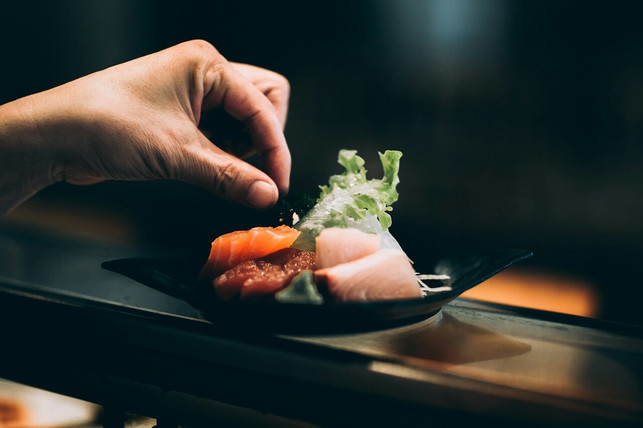
Although fresh oysters can be tempting, they're not always a good choice on vacation. Consumer protection agencies warn that raw shellfish are often contaminated with hepatitis A viruses or other pathogens, especially in the Mediterranean or Atlantic regions. Therefore, only eat seafood that's thoroughly cooked.
The Tropical Institute points out that there are not only edible but also poisonous fish species . Therefore, you should only eat fish you catch yourself if you are 100 percent sure what it is.
2. Raw meat

Raw meat, such as carpaccio or tartare, also carries a significant risk of food poisoning . Pathogens such as salmonella, trichinae , or dangerous parasites can lurk in raw meat. You should also avoid undercooked dishes – thoroughly cooked meat is the safer choice.
3. Raw vegetable salads

Salads often contain no animal products and are healthy—but that doesn't mean they're a safe choice for vacation. In many countries, salads are washed with tap water, which may be contaminated with bacteria or parasites . According to the Consumer Protection Agency, this affects many countries in Africa, Asia, and Latin America.
Therefore, avoid raw food in restaurants or at street stalls and choose boiled, fried, or steamed dishes instead. If you want to prepare a salad or other raw food on vacation, wash it thoroughly with purified water.
4. Unwashed fruit

You should always wash fruit thoroughly and, ideally, peel it when abroad. It's best to use bottled drinking water if tap water isn't safe – see point 8. The Consumer Protection Agency recommends avoiding pre-cut fruit at the roadside – germs that can quickly accumulate here can cause stomach problems.
5. Buffets with cold food

According to the Consumer Protection Agency, buffets left unrefrigerated for several hours in warmer climates are an ideal breeding ground for bacteria . Cold foods like salads or desserts, which spoil easily, are particularly risky.
To be on the safe side, opt for freshly prepared, hot dishes.
6. Raw eggs and products made from them (including ice cream!)

You should avoid foods that contain raw eggs, such as mayonnaise or some desserts. Otherwise, salmonella bacteria present in the eggs could make you sick. Pasteurized products are a safer alternative.
While you can usually eat commercially packaged ice cream safely even in travel destinations, you should take a closer look at ice cream parlors: Does the ice cream contain raw eggs? If so, only buy from them if you are certain that the hygiene during production is impeccable.

So-called "brain freeze" can spoil the enjoyment of ice-cold drinks and ice cream on hot summer days. How cold headaches develop and how...
Read more
7. Freshly squeezed fruit juices

According to the consumer advice center, there is no risk with industrially packaged juices – or other beverages.
However, with freshly squeezed juices, you should check beforehand whether the juicers, containers, and the seller's hands are clean . Otherwise, pathogens could get into the juice.
Heartburn, stomach pain, bloating? Then your stomach needs a break. We'll give you stomach-friendly foods and tips for preparing easily digestible...
Read more
8. Tap water and ice cubes

Even if tap water is declared "safe to drink" in many countries , you should be careful. This applies to many countries in Asia, Africa, and Latin America. Avoid drinking water directly from the tap or brushing your teeth with it. The Consumer Center recommends using bottled drinking water instead , or boiling the water for at least five minutes to kill pathogens. Then, filter it.
The Tropical Institute suggests other options: You can purify tap water with special disinfectant tablets . Tea and coffee freshly brewed with boiling water are generally safe. Beer and wine are also safe. However, the institute also warns against drinking drinks that are too cold in hot weather, as they can cause stomach irritation. You can find more information here: What's better in the heat: cold or warm drinks?
In warm countries, ice cubes are often made from tap water , which doesn't meet the same hygienic standards as in Germany. If these ice cubes melt in your drink, there's also a risk. Learn more here:
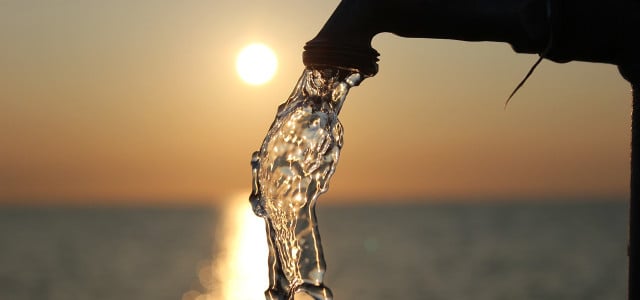
Unlike in Germany, it's not always advisable to drink tap water while on vacation. The quality varies from country to country...
Read more
9. Raw milk and unpasteurized products thereof
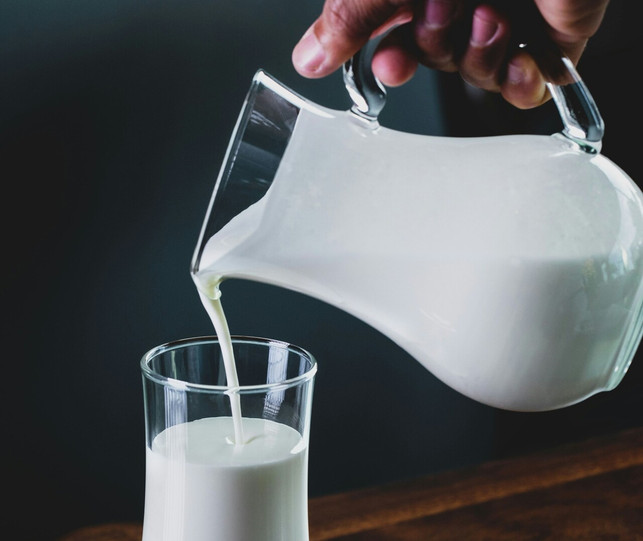
Unpasteurized milk and its products—such as raw milk cheese —can contain dangerous pathogens such as Listeria . Avoid these products and choose pasteurized dairy products instead.

Posting Komentar